Featured Post

Crucified Before the Foundation of the World

"Crucified before the foundation of the world." What does that mean? How could that even happen? Historians and archaeologists ta...

Thursday, January 23, 2014

Stand in the Gap


Ezekiel 22:30 “I looked for someone among them who would build up the wall and stand before me in the gap on behalf of the land so I would not have to destroy it, but I found no one. 31 So I will pour out my wrath on them and consume them with my fiery anger, bringing down on their own heads all they have done, declares the Sovereign Lord.” (NIV)

This judgment from God was a message to Ezekiel to warn the
people of Israel because of their sins. At this time repentance was 
still possible to avoid the exile. God sought a way to grant 
forgiveness, but first the people had to see their sins and abandon 
them. He could not even find someone to pray for the nation, to 
“stand in the gap.”

We think God is waiting for us to commit some sin so he can mete 
out punishment, but that is not the way God works. He is seeking a 
way to forgive and bless us. When we find someone in need of prayer, we have an opportunity to “stand in the gap” for them and take their need to God. We also have an opportunity to reassure them and bless them with God’s promise.  


As the one who “stands in the gap” we are blessed both in seeking 
God’s blessing for others and in carrying his message to others. 


It’s not too late to begin this as a discipline for 2014.  Resolutions don’t have to begin on New Year’s Day.


Tuesday, January 14, 2014

Facing Crucifixion

Antonio Ciseri's depiction of Pontius Pilate p...
Antonio Ciseri's depiction of Pontius Pilate presenting a scourged Christ to the people Ecce homo! (Behold the man!). (Photo credit: Wikipedia)
In Chapters 13-17 John quoted Jesus extensively instructing the Disciples in the nature of the Christian life and the union they would form as they lived in obedience to his words. Chapter 13 tells them about the necessity of cleansing and the symbolism found in the foot-washing ceremony.

Chapter 14 is full of assurances that what he is doing is necessary and even beneficial for them. He promises the Holy Spirit to guide them. He chides them for not claiming the promises. "Have I been here with you this long and you don't know that I and my Father are one?'

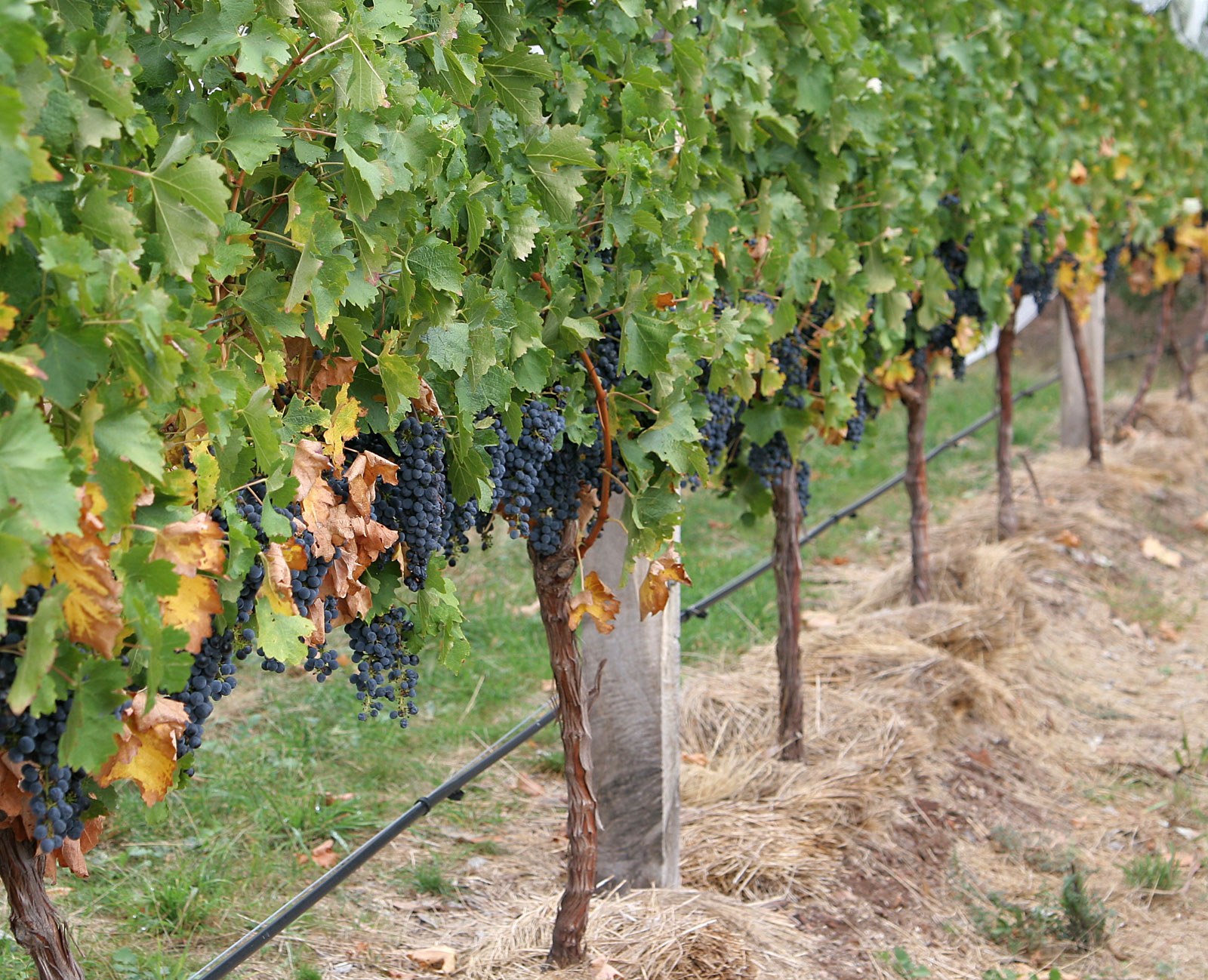
John 15 explores the symbolism of grapevines with Jesus himself as the vine. The Father is the gardener who shapes the plant to produce good fruit. 

Chapter 16 holds warnings about dangers and risks to the Disciples. All these chapters proclaim Jesus' love for them and his direction for accomplishing the Father's plans.

Chapter 17 is his prayer for himself, the Disciples and those who would come to believe through their testimony.

Chapter 18 gives details of Jesus' arrest and the Disciples' fear and confusion. Jesus led the Disciples to the Garden of Gethsemane across the Kidron Valley where he often retreated for prayer or meditation. The guards who came to take him into custody were overwhelmed by his candor and presence. When they asked him who he was, he readily admitted that he was the one they sought. They were immediately threatened by his composure and fell back.

Peter carried a sword. In the confusion of the arrest, he drew the sword and attacked Malchus, the servant of the high priest. Peter looked at the high priest as the one to fear, though apparently only the soldiers were armed. Peter's intent was to take off his head. It was only a mistake that he caught the ear instead. Jesus immediately took control. He reproved Peter saying, "Shall I not drink the cup my Father gave me?" 

The soldiers bound Jesus and took him to be interviewed by Annas and Caiaphas. Peter was left alone in the courtyard with the maid and others curious about the outcome of the arrest. It was here that Peter was asked if he was a Disciple by various people warming themselves at the fire they had built. Annas asked Jesus about his teaching but Jesus told him to ask those who heard him. The soldiers took his answer as impudent and one of them slapped him. 

Outside in the courtyard Peter denied knowing Jesus three times. 

The High Priest sent him to Pilate because the Jews wanted Pilate to sentence him to death. Jewish Law forbade capital punishment, so the Jews sought Roman judgment. It was almost morning by the time they finally got to Pilate. He was not willing to make a decree of death without adequate proof of a crime, but public opinion ruled and he turned Jesus over for execution.


Enhanced by Zemanta

Monday, December 30, 2013

Jesus Prayed For Me And You

Christ in Gethsemane (Christus in Gethsemane),...
Christ in Gethsemane (Christus in Gethsemane), oil painting by Heinrich Ferdinand Hofmann (Heinrich Hofmann). The original is at the Riverside Church (Riverside Church, New York City). (Photo credit: Wikipedia)
John 17 begins with Jesus addressing his Father.  The prayer is a commitment to see this to the end. Jesus wants the Father to glorify him so that the Father will be glorified in this act of obedience and sacrifice. The Father and Son are united in this and whatever glory is revealed in one also flows on and through the other. He refers to the glory they shared before the world began, and now he is opening the door for the Disciples to view this glory.

In verse 6 he returns to the need and situation of the Disciples. The Disciples already belonged to God the Father, but he gave them to Jesus, and Jesus now is returning them back to the Father. The symbol of words is used here. The words he taught them came from the Father, and the revelations he shared with them came by instruction from the Father. Believing the words is the place where entering into God’s eternal life takes place. At this point he was praying for the Disciples because the whole plan of God depended on them when he was taken up.

He makes an amazing statement here: He says that glory has come to him because of the disciples. They had begun the life of obedience and fellowship that would be the lifeblood of the Church when the Spirit comes. Jesus sent them back to the Father with confidence that they would be protected by his name and sanctified by his truth. Jesus feels the pressure of the arrest looming, and he knows the risk they will face in the world without him. Now they must face that risk alone without him, but with the Father’s help and grace he is ready to take the next step.

Beginning in verse 20, he prays for the message the Disciples will deliver to yet unborn generations. He sees the Disciples as the founding members of the Church and their disciples as the culmination of the Father’s plan. Throughout the process Jesus claims the Father’s glory. The unity he had with the Father before the world began will be the glorious outcome as the Disciples are obedient and yielded to him. He envisions the world knowing the love of God and surrendering to it so that all will be united in love and in him.


I claim this prayer of Jesus as his prayer for me as a believer who has come to know him through the words and evangelistic efforts of the Disciples. In that thought, I enjoy a reflection of the glory Jesus prayed for us to receive and I revel in it. 


Enhanced by Zemanta

Thursday, December 26, 2013

John 16-It's Gonna Be Bad--But Don't Worry

John 16 is full of reassurance and hope. Jesus says words of comfort and anticipation. He knows this scrappy group of followers will be subject to doubts and temptation, so he is making a last ditch effort to steady them for the battle they will face. He wants to prepare them for the persecution that will follow, but they are still blinded to the seriousness of the situation.

He points out that they are not concerned about where he is going 
or the reason he is leaving, but they are only in grief and anxiety that he is leaving them. He lists the ways this will benefit them: They will receive the Comforter after he is gone.

And the battle is more about their ability to stand when he is gone 
than about a confrontation with the rulers or armies or sinners. He tells them that his leaving will assure the coming of the Comforter. They do not understand this yet, but he wanted to tell them so that when the time comes they will remember that he said it.

He prophesies the coming of the Spirit will convict the world of sin 
because it does not believe in the Son of God, of righteousness because the Son and the Father are united, and of judgment because Satan, the Prince of this world, is judged.

The Comforter, the Spirit of Truth will lead them into more 
understanding and remind them of what he said before. Jesus is still speaking of things they can’t understand. You see me now but for a while you won’t see me; then you will see me again.

They asked each other what this could mean, but Jesus answered 
the question. In this there is a deeper meaning and another revelation. He compares it to the birth of a child. When a woman comes to deliver a baby, she suffers pain and it is intense, but the joy of holding and seeing the baby is more valuable than the pain was detestable.

Just a side note here: The moment when a baby is delivered from 
the mother is one of extreme relief and rapture. No drug, no joy compares with that ecstasy. The joy of receiving the Spirit will be for the Disciples a new level of faith, conviction, joy and obedience. He cannot tell them in words what it will mean, but he wants them to expect something big. The meaning of the coming of the Spirit cannot be overstated. It will change their lives and their world.

In John 16:26 he makes them a promise he has not made before. 
He has said before that they can ask the Father in his name and he will beseech the Father and the Father will grant their request. But now Jesus says that they can address the Father and he will respond because the Father loves them. Even when Jesus is no longer with them, the Father will hear their prayers because they have loved Jesus. Jesus speaks plainly to the Disciples, but they still have trouble understanding because he is referring to future events. He says, “I came from the Father to live in the world, and now I am leaving the world and going back to the Father.” Now they say they understand, but their sorrow has not yet recognized the fact of his death, the cross, or separation.

He reassures them again. You will be scattered and alone, but I am 
going to my Father. Don’t fear because I have overcome the world.


There is still more to come.

Friday, December 20, 2013

John 15-The Gardener

The end of John 14 speaks of leaving the Upper Room, so I believe that this passage continues the conversation as they walk to Gethsemane or after they arrive. John makes no mention of the private prayer in which Jesus commits to see the Father's will executed on Calvary. In Chapter 15 he speaks of the vine and the branches and the work of the Father as a vine dresser. 

The image of a farmer is prevalent throughout the Bible. The farmer is understood by all societies as the source of sustenance and renewed strength. Here Jesus is careful to list the requirements of the gardener, the vine and the branches.
  
The fruit does not have any duties, but the branches bear fruit. We being the branches, are expected to bear fruit. Bearing fruit means continuing the work Jesus commands--We are to proclaim the gospel and allow it to be exhibited in our lives. We should be deliberate in our practice of love and integrity.  

Some people interpret this to mean that God will destroy those who do not follow Jesus closely. "such branches are picked up, thrown into the fire and burned."(John 15:6) This is a harsher treatment than Jesus has proclaimed before, but we must remember that this is an analogy, a metaphor, not a judgment. Jesus may have been referring to Judas who did not remain in him, but chose another path and cut himself off from the vine. Other paths never lead to the joy or glory found in the Son.

Jesus focuses on fruit in verse 8. Bearing fruit brings glory to the Father and proves discipleship. Matthew 7:15-20 discusses other aspects of fruit and the trees that produce them. In John 15 I find the focus to be on the fruit, and that fruit must be a result of the believer's connection to Jesus. All the efforts that are dependent on our striving, our plans, our systems will produce no fruit and be wasted labor when it does not flow from Jesus.

In John 15:9 the focus shifts to love. Keeping and the commandment equates with abiding in the love. In other places we are commanded to love one another, but the command to love is no where more insistent than here. Jesus uses himself and his obedience to the Father as their example. "Just like my Father has loved me, so I have loved you. If you do what I have commanded, you will remain in my love. That's what I have done--I kept his commandments and remained in his love. Love each other as I have loved you." (Paraphrase)

In this statement Jesus raises the Disciples from servants to members of the board. When they were servants these things were not revealed to them. Jesus elevates them to confidantes. Now they are more than just associates, they are part of the management team. But the instructions are still the same: Love one another. They were expected to understand more and do more and be more, but there is just one new rule: Love one another as I have love you.

Now he shifts to a new focus: You will not be loved by the world. It hates me, and you will be like me in this. It will hate you too. The world has an agenda that excludes you. and it will not accept your message. I have chosen you and I love you, but the world won't.

Don't delude yourselves believing that you will escape persecution. You are not better or wiser or more well-liked than me. If they hated me, they will hate you. and it will be because of your love. Those who you will preach to will treat you like they treated me. There may be some who will receive you and love you for my sake, but some will attack you and kill you for my sake. 

Chapter 15:26-27 Jesus promises the support and comfort of the Holy Spirit. This will be an event to anticipate, though as yet there is only a vague hint of the power and resource he will provide. He will bring them testimony of Jesus and the Father.

Tuesday, December 17, 2013

John 14--Promise of the Holy Spirit


New Promise

The closing verses of John 13 are filled with prophetic doom: Jesus reveals that he is going to die and Peter is going to deny him, but Peter seems to be oblivious to this truth. He keeps pressing Jesus for more information, but when it comes he refuses to accept it.


Reassurence

Chapter 14 begins with a message of great encouragement: "Don't trouble yourself about it now." He does not shift the focus, but he reassures Peter and the others for the moment that their destination is secure.  He cautions them to remember his words and instructions and to keep them.

 The Disciples have trouble accepting his words and teaching as coming from the Father. Jesus hints that he is going to die, but he avoids proclaiming it in a positive affirmation. He says, "I'm going where you can't follow yet. You will later. I go to prepare a place for you." It seems like Jesus is baiting them with vague references so that they may come to an understanding on their own. 

The Disciples Still Have Questions

Some of his statements are bold and some, cloaked in mystery. Jesus is still trying to provoke them to believe. He says "You don't have to know the way because I am the way. You will follow me." When Philip begs him to show them the Father, Jesus reassures them saying, "If you've seen me, you have seen the Father."  

Jesus continues to comfort and reassure the Disciples, and he promises the Comforter who will be available to them later. He gives them peace to sustain them because the Prince of this world is coming. Jesus is confident that God's purposes will not be thwarted and that the world will know God's salvation.

Now Jesus is ready to leave and go to the Garden of Gethsemane. 

Thursday, December 12, 2013

New Testament Freedom

I hear a lot of talk about what it means to be a Christian.  One line of thought centers on the prohibitions--things Christians aren't supposed to do or indulge in.  The Ten Commandments, even in this modern age, still contain the major breeches of Christian ethics.  There are five commandments that tell us things we should do: Worship only God, keep no idols, keep his name holy, keep the Sabbath or the Lord's Day holy, honor your parents.  There are five that name sins we should not commit: lie, steal, murder, bear false witness, and covet.  After that, it seems like everything else may need prayer. 

If you tell people how to behave, you are called judgmental.  If you do whatever comes to hand, you are considered uncontrolled.  It seems there is no standard of behavior.  

The Bible usually focuses on things that foster life and love and righteousness. These are pretty good standards for right and wrong, or put another way, how to decide if an action is a sin or not.

People often try to justify actions based on kindness or beauty, convenience or  practicality, but God does not care about these issues. He cares about righteousness. He wants us to look at actions that enhance life and make it better. Actions that promote health, love, and doing the right thing are the ones that God looks at with pleasure.. 

I find great joy in doing things I think God will approve and smile about.  
Enhanced by Zemanta